

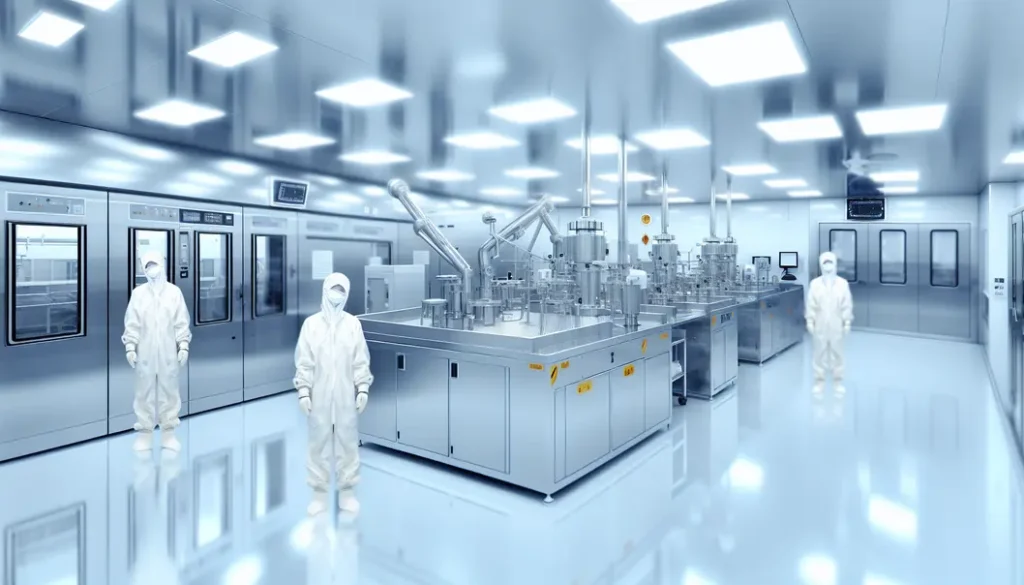
Efficiently constructed clean rooms are indispensable to pharmaceutical and food industries. These controlled environments ensure high standards of hygiene essential for maintaining product purity and meeting stringent regulatory requirements. Crafting a clean room involves meticulous planning, advanced technology, and a keen understanding of industry demands. For business owners and factory managers, constructing an optimal clean room is a strategic investment that can elevate quality and regulatory compliance. Understanding the vital components of clean room construction ensures that companies gain competitive advantages by not only adhering to standards such as GMP-WHO and ISO 14644 but also by enhancing productivity and safety within operations.
Designing for Compliance and Functionality
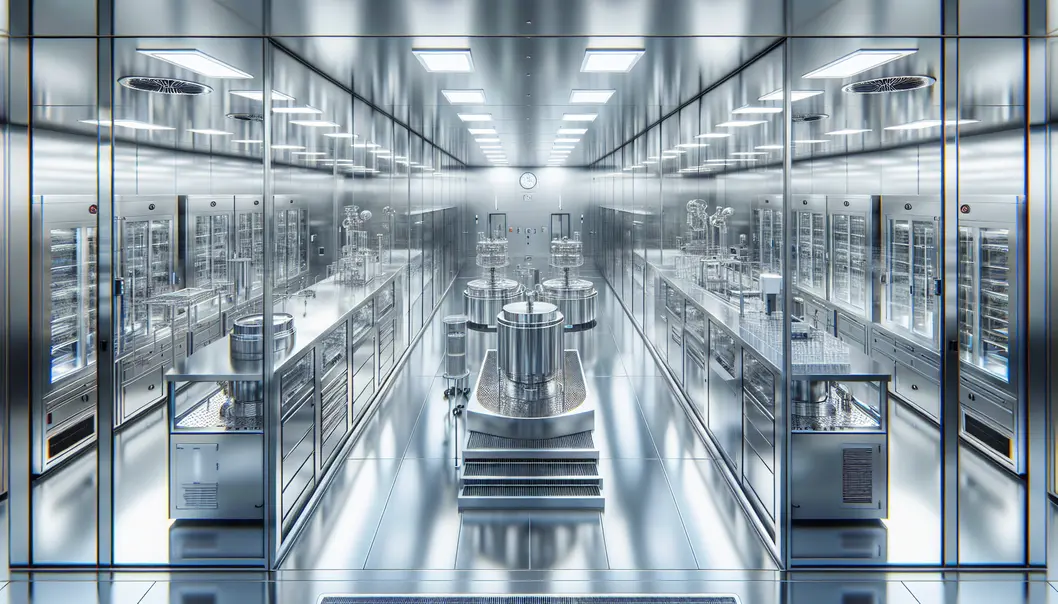
Designing clean rooms according to GMP-WHO and ISO standards is a multifaceted process essential for maintaining both efficiency and safety in pharmaceutical and food industries. Strategic layout planning plays a critical role in ensuring compliance and enhancing functionality. Purposeful room layouts promote streamlined workflows, reducing cross-contamination. Separate zones for different activities prevent overlap and help maintain cleanliness.
Proper airflow management is another crucial aspect. Design must integrate laminar airflow systems to minimize particle accumulation. High-efficiency particulate air (HEPA) filters ensure clean air circulation throughout, critical for maintaining air quality. Careful calculation of air change rates is necessary to maintain pressure differentials, preventing contamination ingress.
Material selection significantly influences clean room efficacy. Surfaces must be smooth, non-porous, and easy to clean to minimize microbial buildup. Materials like stainless steel and specialized coatings are preferred to withstand rigorous cleaning and disinfecting procedures without degrading.
Integration with manufacturing processes ensures that clean rooms do not just stand alone but operate as a cohesive part of the production line. Incorporating clean rooms into existing workflows enhances efficiency by reducing downtime and movement of personnel and materials between disparate areas. This integration requires a detailed understanding of both existing processes and clean room operations.
The strategic design positively impacts operational efficiency by optimizing processes. A well-thought-out design reduces the time and effort required during production, cutting down on operational costs while boosting compliance. By ensuring compliance with stringent standards, the design not only safeguards product integrity but also reinforces the regulatory standing of the facility.
Overall, meticulous attention to layout, airflow, material selection, and process integration in clean room design results in tangible benefits. Those designing or refurbishing facilities might benefit from exploring similar principles as discussed in designing kitchens for efficiency, illustrating how strategic planning can impact overall operations.
Through careful planning and execution, the optimal design of clean rooms supports seamless operations, ensuring both compliance with regulations and enhanced efficiency—a fundamental aspect for leaders in the pharmaceutical and food industries.
Leveraging Technology in Clean Room Construction
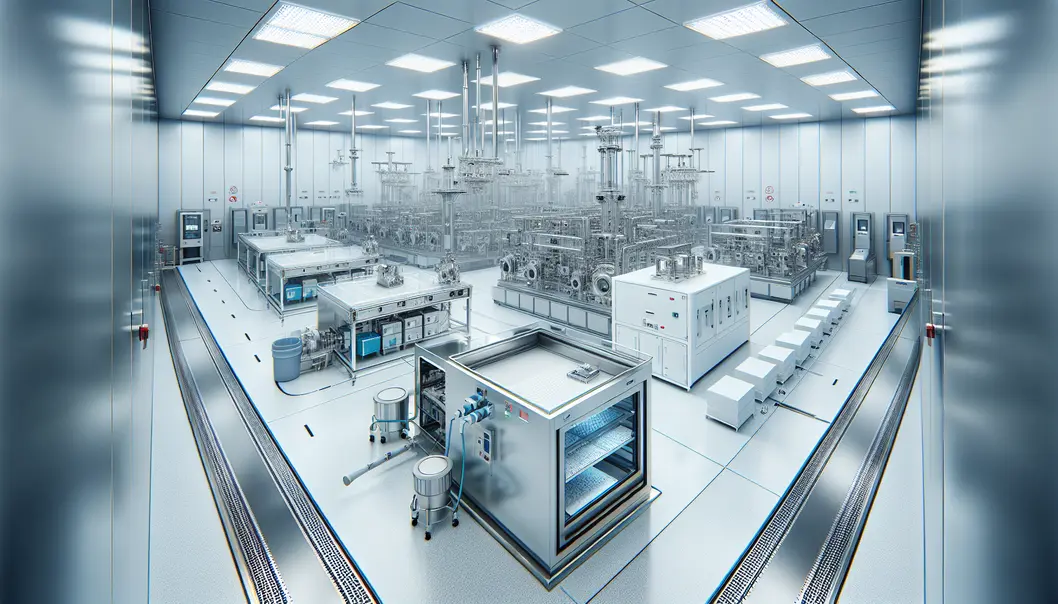
The construction of compliant clean rooms has evolved significantly due to technological advancements. A key innovation is the use of High Efficiency Particulate Air (HEPA) filters, which capture 99.97% of airborne particles down to 0.3 microns. This capability is crucial for reducing contamination in pharmaceutical and food processing environments, ensuring that facilities meet stringent safety standards.
State-of-the-art air handling units (AHUs) further enhance clean room efficiency. These units precisely control temperature, humidity, and air flow within clean rooms, which helps maintain the necessary environment for sterile operations. By utilizing variable speed fans and advanced control systems, AHUs adjust to real-time conditions, thus optimizing energy use without compromising air quality standards.
Real-time monitoring systems add another layer of safety and compliance. These systems continuously track particle counts, air pressure, humidity, and temperature, providing alerts when parameters deviate from predefined limits. The integration of IoT devices into these systems enables remote monitoring, ensuring that any potential issues are addressed promptly, reducing the risk of contamination.
Advanced building management systems (BMS) further support clean room compliance. Through integrated control of lighting, HVAC, and security systems, a BMS optimizes energy efficiency, monitors operational performance, and maintains a secure environment. By centralizing data and offering sophisticated analytics, these systems empower facility managers to make informed decisions that enhance both safety and compliance.
Moreover, modular clean room designs are gaining popularity. These prefabricated structures allow quicker installation and provide flexibility for future adjustments. With precise engineering and high-quality materials, modular designs can achieve the same rigorous standards as traditional builds, while reducing construction time and potential disruptions.
For professionals in the industry, these technological innovations are not just enhancements but essential tools for maintaining compliance and safety in clean room environments. By leveraging these advancements, pharmaceutical and food industry leaders can confidently meet both current and future regulatory demands. For further insights on managing advanced operational spaces, visiting resourceful platforms can prove beneficial.
Integrating Environmental Sustainability

Adopting sustainable practices in clean room construction is crucial for long-term efficiency and environmental responsibility. By choosing sustainable materials, companies can significantly lower their environmental impact. Alternative materials like recycled steel and bamboo offer durability while reducing the carbon footprint associated with traditional construction materials. Using these eco-friendly options aligns with global sustainability goals and sets an example within the industry.
Energy-efficient systems, such as LED lighting and advanced HVAC systems, play an essential role in minimizing energy consumption. Implementing smart sensors and energy management systems allows constant monitoring and optimization of energy use, significantly reducing costs. By equipping clean rooms with these technologies, companies enhance operational efficiency while decreasing their environmental impact.
Waste reduction techniques in clean rooms are also a significant factor in sustainability. Designing spaces with minimal waste in mind—through modular designs and reusable materials—can drastically diminish waste production. Moreover, incorporating recycling systems for clean room materials ensures fewer resources are sent to landfills, promoting a circular economy model.
Sustainability compliance is not just a regulatory necessity but a competitive advantage. Modern standards require companies to undertake sustainable initiatives, providing a blueprint for reducing operational costs. Investments in sustainable technologies and materials often result in lower energy bills and reduced waste management expenses, improving overall profitability. Longer-term, these practices can lead to enhanced brand reputation and loyalty among consumers prioritizing environmental responsibility.
Furthermore, integrating sustainability into clean room design can influence other operational aspects, enhancing the working environment for staff and potentially improving productivity. By demonstrating a commitment to sustainability, companies can attract environmentally conscious talent and clients.
Implementing sustainable practices is an ongoing journey rather than a one-time project. Leaders in the pharmaceutical and food industries should stay informed about innovations and continuously seek improvements in environmental performance. For further insights into how design can influence operational efficiency and sustainability, you may explore design basics for enhancing business spaces. This integration of sustainability not only meets the requirements of modern compliance standards but also positions a company as an industry leader in efficiency and ecological responsibility.
Optimizing Investment: Cost-Effective Strategies
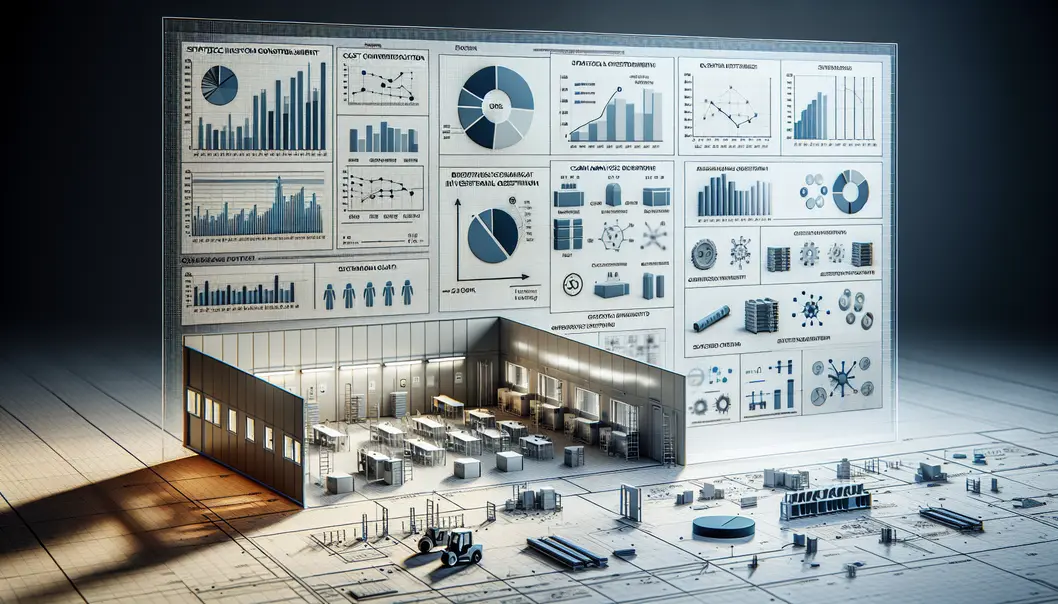
Achieving cost-efficiency in clean room construction requires careful strategic planning. The foundation of this approach is thorough initial research and development of a detailed plan. Prioritize understanding specific needs and regulatory requirements, building a framework that minimizes potential redesigns and unnecessary costs. Engaging experts in the planning phase can prevent expensive mistakes down the road, ensuring that foundational decisions align closely with industry standards.
Phased implementation is another essential component of a cost-effective strategy. By breaking down the construction into manageable stages, investments can be spread over time. This allows for accurate budgeting, easier problem identification, and adjustments between phases if necessary. For example, start with the most critical sections required for compliance, and gradually expand as operational demands grow. This phased approach also facilitates valuable feedback from initial stages, guiding improvements for continuity in quality.
Smart resource allocation is critical to cost-efficiency without sacrificing quality. Prioritize investments in high-impact areas like air filtration, temperature control, and surface cleanliness. Allocating resources towards advanced technology and systems can reduce operational costs over time, such as energy-efficient HVAC systems that lower utility expenses. Furthermore, investing in durable, easy-to-clean materials can significantly reduce long-term maintenance costs, ensuring that compliance is consistently met.
Selecting quality materials and technologies upfront, despite higher initial costs, often leads to substantial long-term savings. Choose materials that offer durability and low maintenance, ensuring longevity and reliability in the clean room environment. Advanced technologies, such as automation and real-time monitoring systems, enhance operational efficiency, reducing manual interventions and potential for human error. An initial investment in superior quality might seem costly, but it invariably leads to reduced downtime, fewer repairs, and extended facility lifespan.
To envision how strategic investment can lead to efficiency and sustainability, consider exploring various aspects of interior design and resource optimization. Visit this interior design guide for insights into effective spatial planning that supports functionality.
Focusing on efficient design, phased execution, and judicious resource use ensures maximizing cost-effectiveness in clean room construction. Such strategic approaches not only meet current demands but prepare for future growth, sustaining quality and compliance throughout the lifecycle of the facility.
Final words
Constructing a compliant and efficient clean room is vital for maintaining high standards in the pharmaceutical and food industries. By focusing on strategic design, leveraging innovative technologies, and adopting sustainable and cost-effective practices, companies can ensure optimal performance and compliance. A well-constructed clean room not only meets current regulatory requirements but also positions a company as a leader in quality assurance and safety.
Bạn đang tìm giải pháp thi công phòng sạch đạt chuẩn quốc tế với chi phí tối ưu? Liên hệ ngay ANH KHANG CLEANROOM để được tư vấn chi tiết và nhận báo giá!
Learn more: https://akme.com.vn/lien-he
About us
ANH KHANG CLEANROOM là đơn vị tiên phong trong lĩnh vực tư vấn, thiết kế và thi công phòng sạch tại Việt Nam. Với gần 15 năm kinh nghiệm, chúng tôi cung cấp giải pháp tổng thể từ thiết kế, thi công, cung ứng thiết bị cho đến bảo trì, đáp ứng các tiêu chuẩn khắt khe như GMP-WHO, ISO 14644, HACCP. Đội ngũ kỹ sư chuyên môn cao cùng quy trình triển khai bài bản giúp quý công ty sở hữu hệ thống phòng sạch hiện đại, an toàn và tối ưu chi phí đầu tư.